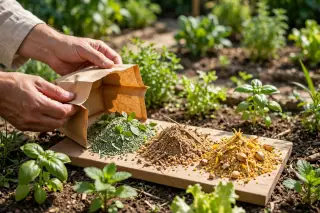
If you have started a kitchen garden, bought your first houseplant, or inherited a small farm plot, you have probably been told to 'add some fertilizer' — without anyone explaining what fertilizer actually is. This guide is for complete beginners: home gardeners, new homeowners with a lawn, and anyone in Pakistan buying their first bag of plant food. No chemistry degree required.
Fertilizer in One Sentence
Fertilizer is plant food. Just as you need a balanced diet, plants need nutrients from the soil to grow leaves, roots, flowers, and fruit. When soil runs low on those nutrients — which happens naturally as plants feed season after season — fertilizer replaces them.
Think of it this way: sunlight and water are like the air you breathe — essential, but not food. Fertilizer is the actual meal.
Where Do Plants Get Nutrients Naturally?
In nature, fallen leaves, dead plants, and animal waste break down and return nutrients to the soil. It is a slow, self-sustaining cycle. But in our gardens, pots, and farm fields, we constantly remove nutrients: we harvest vegetables, mow lawns, prune plants, and sweep away fallen leaves. Nothing goes back. Over time, the soil becomes poorer, plants grow slowly, leaves turn yellow, and yields drop. Fertilizer closes that loop — it puts back what we took out.
The Three Nutrients That Matter Most: NPK
Plants need many elements, but three matter more than all the rest. You will see them as three numbers on every fertilizer bag — for example, 10-10-10 or 20-20-0:
- N — Nitrogen: the leaf maker. Drives green, leafy growth. Lawns, spinach, lettuce, and leafy vegetables love nitrogen.
- P — Phosphorus: the root and flower booster. Supports strong roots, flowering, and fruiting. Important for tomatoes, roses, and young transplants.
- K — Potassium (potash): the health regulator. Helps plants handle stress, drought, and disease, and improves fruit quality.
A simple memory trick gardeners use: shoots, roots, and fruits — nitrogen for shoots, phosphorus for roots, potassium for fruits. Our companion guide on reading an NPK label walks through those three numbers in detail.
Types of Fertilizer You Will See in Pakistan
Granular / powder fertilizers
Dry bags of small granules — the most common and economical type. DAP, urea, and NPK blends sold in agricultural markets are granular. You scatter them on soil and water them in. Best for lawns, fields, and large beds.
Liquid / water-soluble fertilizers
Concentrates you dilute in water and apply with a watering can or sprayer. Plants absorb them quickly, which makes them ideal for pots, balcony gardens, and giving a fast boost to hungry plants.
Slow-release fertilizers
Coated granules that release nutrients gradually over weeks or months. Convenient for pots and beds where you do not want to feed constantly — one application lasts a long time.
Organic options: compost and manure
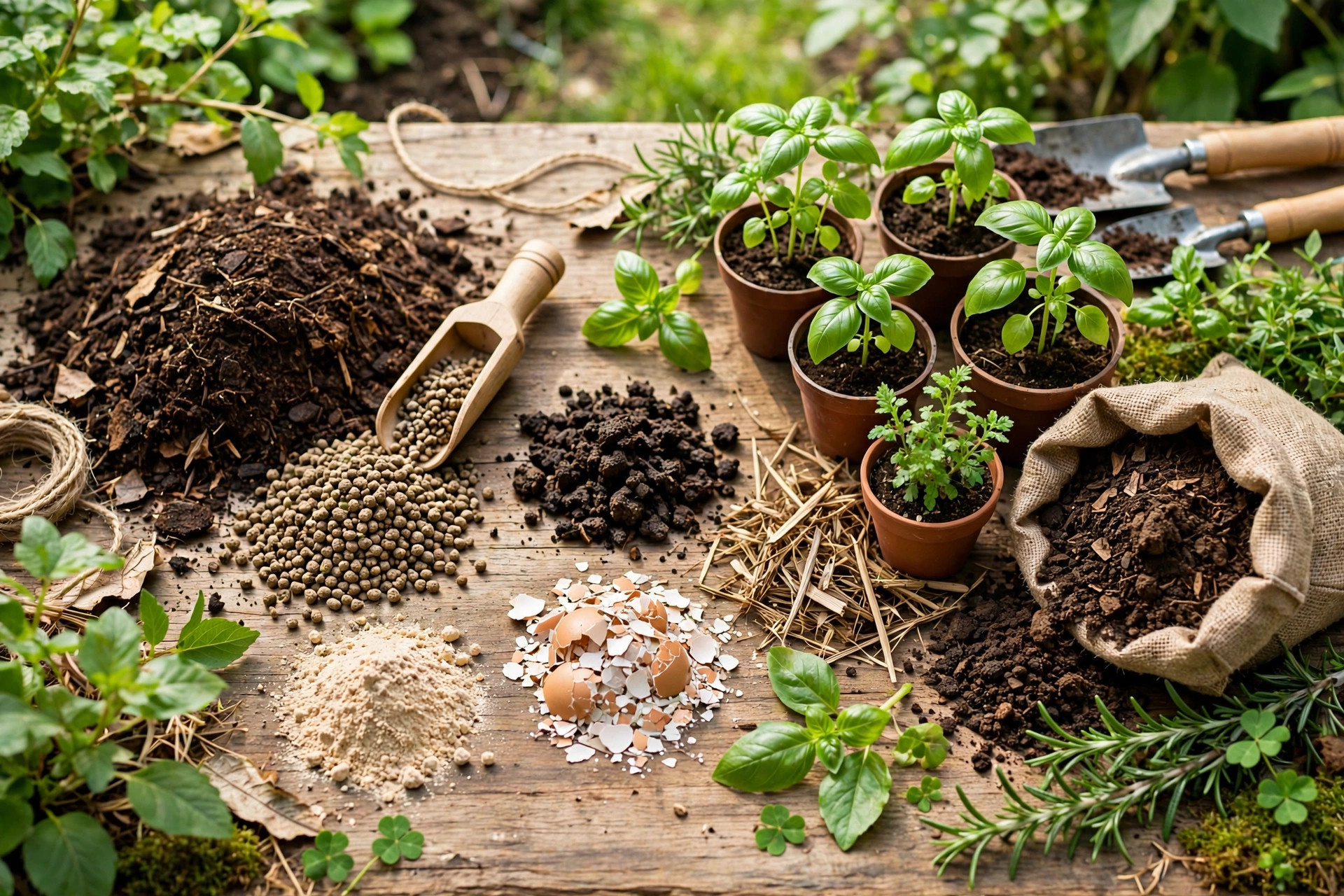
Well-rotted cow manure, compost, and vermicompost feed the soil itself, improving its structure as well as its nutrition. They work slowly but build long-term soil health. Many Pakistani gardeners mix 50% soil with 50% compost or rotted manure as a base potting mix.
Signs Your Plants Might Need Fertilizer
- Older leaves turning yellow while new growth looks pale (often nitrogen shortage).
- Slow or stunted growth despite good watering and sunlight.
- Plants that flower poorly or drop buds (possibly phosphorus shortage).
- Weak stems and browning leaf edges (possibly potassium shortage).
- Plants in the same pots for a year or more — container soil exhausts its nutrients fastest.
Important: yellow leaves can also mean overwatering, poor drainage, or pests. Rule those out first — fertilizer cannot fix a drowning plant.
The Golden Rules of Using Fertilizer Safely
- Always follow the product label. The label tells you how much to use, how often, and how to apply it. More is not better — over-fertilizing burns roots and can kill plants.
- Water before and after. Never apply fertilizer to dry, stressed plants; water first, feed second.
- Feed actively growing plants. Most plants need feeding in spring and summer, not in winter dormancy.
- Keep fertilizers away from children and pets, and store them sealed in a cool, dry place.
- Wear gloves when handling concentrated fertilizers, and wash your hands after.
Your First Fertilizer Purchase
Overwhelmed by choice? Start simple: one balanced fertilizer (like a 10-10-10 or 15-15-15) covers most home-garden needs. Buy a small pack first, use it at the label rate for one season, and observe. You will learn more from one season of feeding than from ten articles — and next season you can specialize with confidence.
Frequently Asked Questions
Is fertilizer the same as compost?
Not quite. Compost is decomposed organic matter that improves soil structure and feeds slowly. Fertilizer — especially synthetic NPK — delivers specific nutrients in precise amounts, faster. Many gardeners use both: compost as the base, fertilizer for targeted feeding.
Can I use too much fertilizer?
Absolutely, and it is one of the most common beginner mistakes. Excess fertilizer burns roots, damages soil life, and washes into waterways. Always measure according to the label — never guess or 'add a little extra for good luck.'
How often should I fertilize my plants?
It depends on the product and the plant. Liquid feeds are often applied every 1–2 weeks in the growing season; granular fertilizers every 4–8 weeks; slow-release types once per season. The product label is your schedule — follow it.
Do indoor plants need fertilizer?
Yes, especially since potting soil nutrients run out within months. A balanced liquid fertilizer at half strength during spring and summer is enough for most houseplants.
What is the difference between urea, DAP, and NPK?
Urea is almost pure nitrogen (great for leafy growth); DAP supplies nitrogen plus phosphorus (good for roots and early growth); NPK blends supply all three major nutrients in one product. Our main fertilizer buying guide compares types in more depth.
Fertilizer is not magic — it is nutrition, and like nutrition, the right amount at the right time makes all the difference. Start with a balanced product, follow the label, and watch your plants respond. Browse fertilizers and garden essentials at The Lands Store with cash on delivery across Pakistan.